Ho Chi Minh City Adds Thu Dau Mot–Tao Dan Metro Line to Achieve 200 km Urban Railway Target
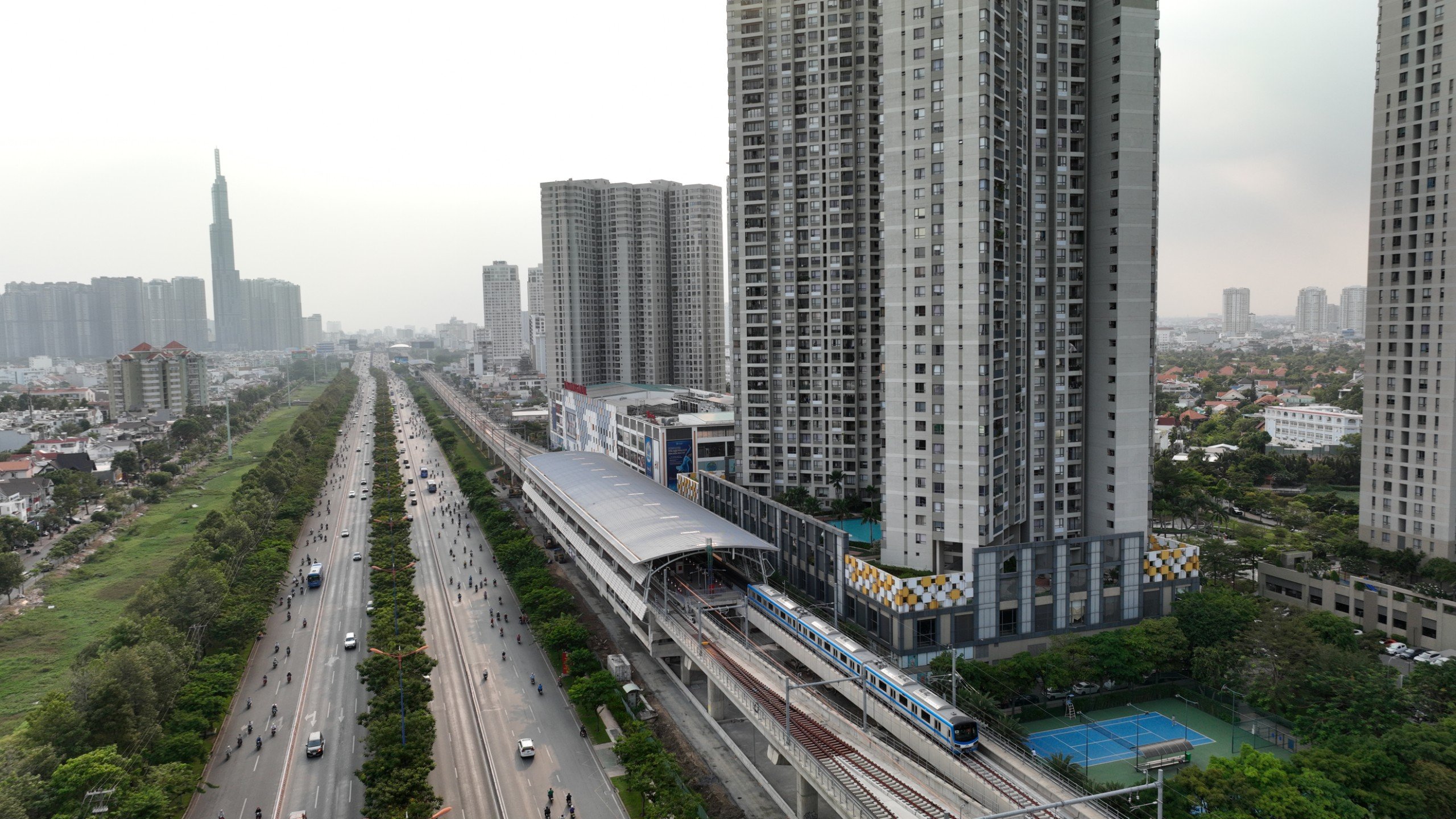
(PLO) – To achieve the Politburo’s target of completing approximately 200 kilometers of urban railway by 2030, Ho Chi Minh City plans to add the Thu Dau Mot–Tao Dan Metro Line to its list of priority investment projects.
Recently, the Ho Chi Minh City People’s Committee submitted a report to the Ministry of Construction outlining its implementation plan for urban railway projects during the 2026–2030 period.
According to the report, the city intends to include the metro line connecting Thu Dau Mot City and Tao Dan Station among its priority investment projects for 2026–2030 in order to meet the Politburo’s directive of placing approximately 200 kilometers of urban railway into operation by 2030.
Completion of Six Urban Railway Lines
According to the Ho Chi Minh City People’s Committee, Resolution No. 06/2026 issued by the Ho Chi Minh City Party Committee, which directs the implementation of National Assembly Resolution No. 188/2025/QH15, sets the target of completing six urban railway lines with a combined length of approximately 187 kilometers by 2030, requiring an estimated investment of US$17 billion.
The projects include:
- Metro Line 2 (Ben Thanh – Tham Luong section);
- Metro Line 2 (Ben Thanh – Thu Thiem section);
- Thu Thiem – Long Thanh Metro Line;
- Thu Dau Mot New City – Suoi Tien Metro Line;
- Phase 1 of Metro Line 6 (Tan Son Nhat International Airport – Phu Huu section);
- Ben Thanh – Can Gio Metro Line.
However, the Politburo has recently issued Resolution No. 09 on the development of Ho Chi Minh City in the new era, setting a higher target of completing 200 kilometers of urban railway by 2030.
To achieve this objective, the city plans to add Metro Line 2 (Thu Dau Mot – Ho Chi Minh City) to the list of priority projects scheduled for completion during the 2026–2030 period.
The project’s legal documentation has largely been completed. The city has instructed the Ho Chi Minh City Management Authority for Urban Railways (MAUR) to accelerate investment preparation with the goal of commencing construction in 2026.
Investment Capital
To meet the funding requirements for the urban railway network, Ho Chi Minh City has proposed that the central government allocate VND 221.098 trillion, while the local government would contribute VND 123.996 trillion. This estimate excludes VND 41.357 trillion required for the ongoing Ben Thanh – Tham Luong Metro Line 2 project under Resolution No. 188/2025/QH15.
Following discussions with the Ministry of Finance, the city further proposed that, should the central budget be unable to fully meet the capital demand, priority should be given to allocating VND 160.877 trillion for key strategic projects.
Major Metro Lines Scheduled for Completion Before 2030
According to the Ho Chi Minh City People’s Committee, under the implementation plan for the 2026–2030 period, the Ben Thanh – Tham Luong section of Metro Line 2 has completed 100% of land acquisition and site clearance. The Engineering, Procurement and Construction (EPC) contract has been signed, and construction officially commenced on 15 January 2026 as scheduled. The project is expected to be completed in 2030.
For the Ben Thanh – Thu Thiem section, the project is being implemented under a Public-Private Partnership (PPP) model using a Build-Transfer (BT) contract. The Ho Chi Minh City People’s Committee approved the project’s feasibility study, and construction officially began on 29 April 2026. Completion is expected in 2030.
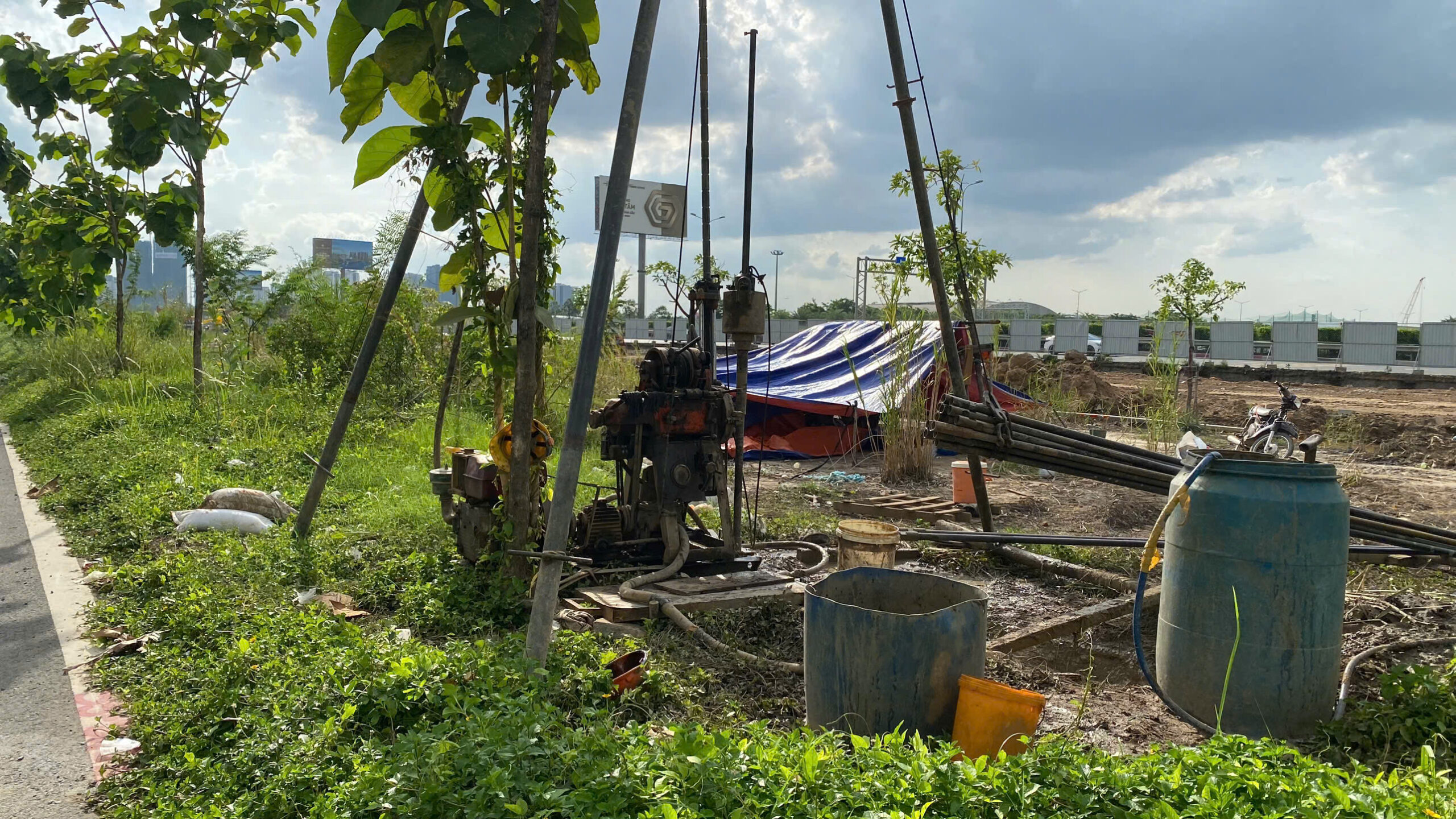
The investor is currently conducting geological surveys and preparing the detailed design following the Front-End Engineering Design (FEED), together with cost estimates for submission to the competent authorities. These documents will serve as the basis for negotiating and signing the BT contract.
Regarding the Thu Thiem – Long Thanh Metro Line, the People’s Councils of Ho Chi Minh City and Dong Nai Province have agreed to designate the Ho Chi Minh City People’s Committee as the competent authority responsible for the project. The project has also been added to the list of projects implemented under Resolution No. 188.
The Ho Chi Minh City People’s Committee has assigned Dai Quang Minh Real Estate Joint Stock Company to prepare the feasibility study.
The company is currently preparing an interim report covering route alignment, station locations, engineering structures, technologies, technical standards and applicable regulations. Construction is expected to commence in 2026, with completion targeted for 2029.
Metro Line 6
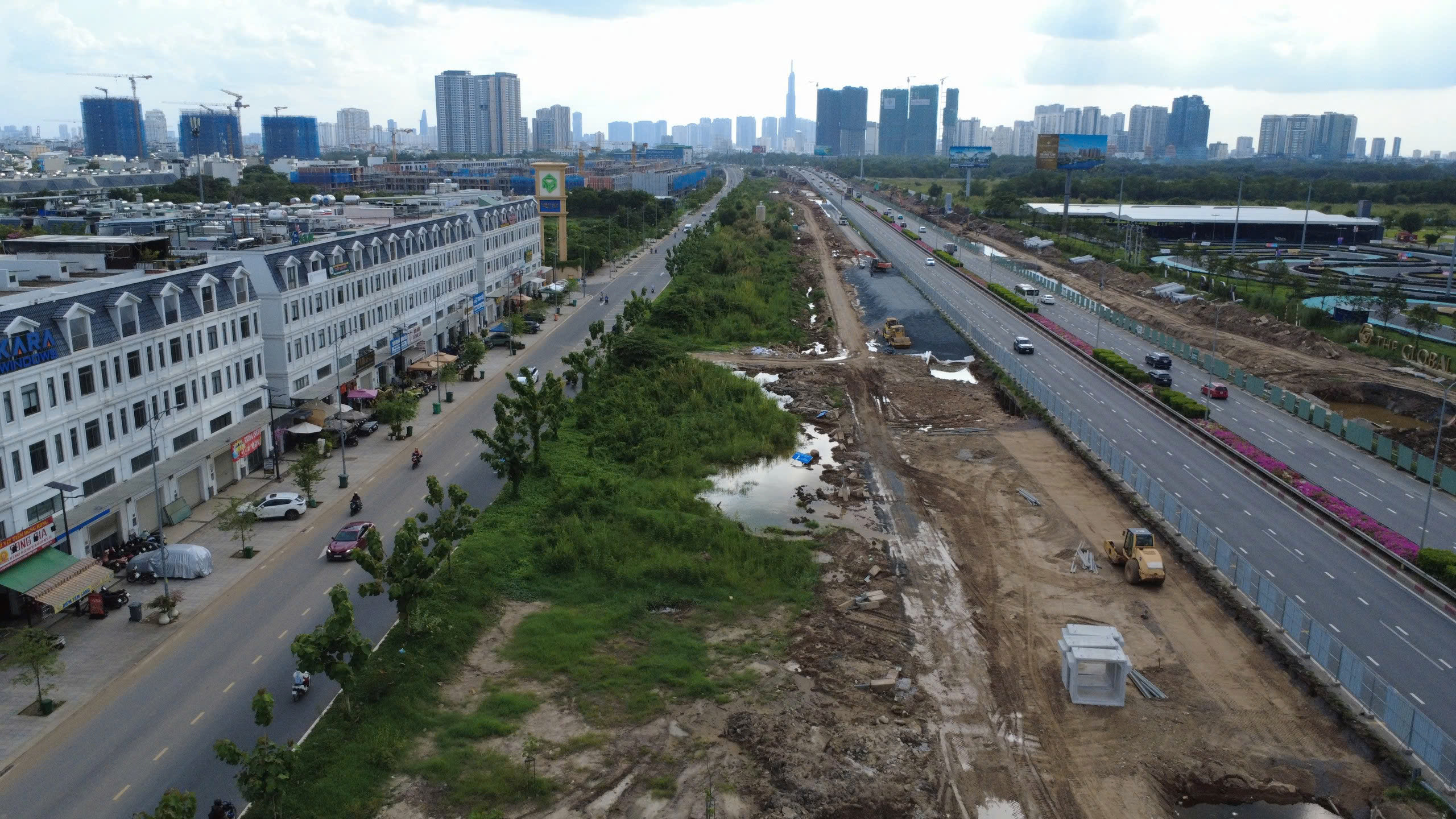
Phase 1 of Metro Line 6, connecting Tan Son Nhat International Airport and Phu Huu, will have a total length of 22.85 kilometers.
The project is estimated to require VND 86.529 trillion in investment. Investment approval is expected in November 2026, construction is scheduled to begin in December 2026, and commercial operation is targeted by the end of 2030.
Thu Dau Mot New City – Suoi Tien Metro Line
The Thu Dau Mot New City – Suoi Tien Metro Line will extend 32.8 kilometers with an estimated investment of VND 55 trillion.
The project is expected to receive investment approval in November 2026, break ground in December 2026, and be completed by the end of 2030.
Thu Dau Mot – Tao Dan Metro Line
One of the most notable additions is the extension of Metro Line 2 (Thu Dau Mot – Ho Chi Minh City) from Station C0, where it connects with Binh Duong’s Metro Line 1, to Tao Dan Station, which connects with the existing Ben Thanh – Tham Luong Metro Line 2.
The extension will increase the total route length from 21.87 kilometers to approximately 35 kilometers.
The project will include:
- Approximately 20 kilometers of elevated railway with 12 stations;
- Approximately 15 kilometers of underground railway with 12 stations.
Investment approval is scheduled for November 2026, construction is expected to begin in December 2026, and the line is targeted for completion by the end of 2030.
Ben Thanh – Can Gio Metro Line
For the Ben Thanh – Can Gio Metro Line, the Ho Chi Minh City People’s Committee has approved the investment policy and accepted the project investor in accordance with the Investment Law.
The groundbreaking ceremony was held on 19 December 2025.
The city has assigned the Ho Chi Minh City Management Authority for Urban Railways (MAUR) as the investor for land acquisition, compensation, support and resettlement works, and has issued an implementation plan. Site handover is expected to be completed by November 2026.
The investor is currently conducting surveys and preparing the feasibility study. According to the implementation schedule, the project is expected to be completed and put into operation in 2028.
HCMC Calls for Central Government Support and TOD-Oriented Metro Development
To ensure that all projects are implemented on schedule in accordance with the directives of the Government and the Prime Minister, and to achieve the target of completing approximately 200 kilometers of urban railway by 2030, the Ho Chi Minh City People’s Committee has proposed that the Ministry of Construction consolidate the implementation plan for priority metro projects during the 2026–2030 period and submit it to the Prime Minister for consideration.
The city also requested the Ministry of Construction to continue supporting Ho Chi Minh City throughout project implementation, particularly in areas related to technical standards, engineering regulations, technology selection, and ensuring interoperability and seamless connectivity across the urban railway network.
In addition, Ho Chi Minh City proposed that the Ministry of Construction coordinate with the Ministry of Finance and other relevant ministries and agencies in advising the Government and the Prime Minister to prioritize central government funding under the 2026–2030 Medium-Term Public Investment Plan for key urban railway projects.
Expanding Regional Connectivity
The expansion of Ho Chi Minh City’s urban railway network to strengthen connectivity with the former provinces of Binh Duong and Ba Ria–Vung Tau is considered both necessary and consistent with the city’s long-term strategy following the expansion of its metropolitan area.
However, the city is also advised to study extending the network to the center of Vung Tau Ward. In addition, experts have suggested renaming the proposed metro line connecting Binh Duong with Ho Chi Minh City to avoid confusion with the existing Metro Line 2.
Experts emphasize that the development of the metro network must be closely integrated with Transit-Oriented Development (TOD).
Although Ho Chi Minh City has already adopted TOD planning principles, current implementation plans remain largely focused on railway construction while providing limited details on the accompanying urban development strategy.
TOD means that metro development should be planned together with urban expansion. When determining route alignments, planners should evaluate how much developable land can be created and how much additional land value can be generated along each corridor.
Given the enormous investment required for metro infrastructure, leveraging land development opportunities through TOD is regarded as essential for ensuring long-term financial sustainability.
The city should also establish detailed implementation roadmaps for each metro line while carefully reviewing route alignments based on land availability and land acquisition costs.
Even minor adjustments of several hundred meters could substantially reduce compensation expenses, avoid densely populated areas, and create opportunities for developing new urban districts.
Furthermore, clearly defining development boundaries and land reserves along each corridor is crucial, as these factors directly affect project feasibility.
Land acquisition alone can take five to six years for a single metro project. Without comprehensive planning from the outset, delays may occur throughout the entire project lifecycle, from site clearance and financing to construction.
Architect Ngo Viet Nam Son, Urban Planning Expert
According to Tuoi Tre newspaper